Dangerous Fish in The One Fish
Call the chaos early so feeding runs survive the punchline.
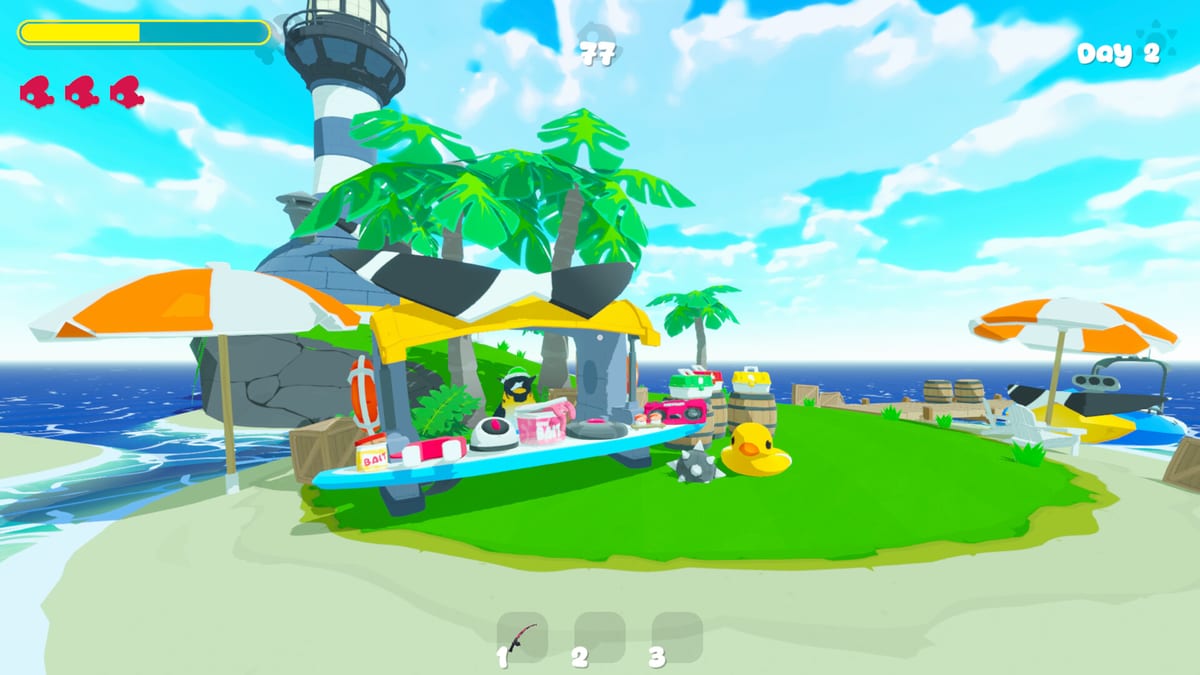
Dangerous fish are why The One Fish trailers feel funny and why unprepared lobbies feel doomed. Store copy contrasts harmless clownfish energy with explosive bomb fish surprises, and ability text warns that effects can hit the whole friend group. This page is your hazard syllabus.
Danger categories
- Explosive / burst chaos: bomb-style reveals—default Hold.
- Party debuffs: abilities that slow, confuse, or break positioning for everyone.
- Bait-and-switch: pretty rarities that hide pain (Rarities).
- Stacking threats: two spicy fish in one minute during high hunger.
Details on ability reading live in Ability Fish.
Protection habits (how to protect the run)
- Appoint a Hazard watcher (Co-op Guide).
- Keep safe food flowing (How to Feed).
- Use short callouts: Bomb / Hold / Spread / Reset.
- If two hazards land back-to-back, rotate to Chill Mode before tempers reset the night.
- Log every disaster fish in the Fish Checklist.
Teaching fear without killing fun
Danger is the joke—until it is not. Let new players see one controlled bomb-fish-style event in a low-stakes window after reading How to Play. Do not baptize them during a six-stack hunger emergency.
Biome awareness
Some maps may feel “spicier.” Note correlations in Biomes and Maps without inventing percentages. Slow recognition speed is itself a danger.
Tier relationship
Dangerous fish often sit in S-priority on the Fish Tier List even when they are bad to “main.” Priority ≠ endorsement. Compare with Best Co-op Fish for the helpful opposite list.
Survive the dangerous fish, and the rest of The One Fish comedy stays optional content instead of a wipe cutscene.
Post-wipe forensic questions
Ask: Did we see the tell? Who was supposed to veto? Was hunger already critical? Did overlays steal a key? Did two hazards stack? Write answers before queueing again. Forensics turns embarrassment into patch-ready feedback and better veto discipline. If the same fish wipes you three times with no new info, schedule a chill break; repetition without learning is just grinding salt.
Extra depth for Dangerous Fish in The One Fish
Return to this page after your next session and add private notes beneath your group’s checklist link. The public wiki stays general on purpose so it does not invent patch-sensitive numbers, but your lobby can store exact timings, preferred warm-up maps, and veto exceptions. Combine that private layer with the public links already woven through this article—guides for systems, fish pages for identification, tier pages for priority, tools for execution, and updates for change control. Doing so keeps The One Fish knowledge useful even while Early Access is still reshaping the waters.
Kindness after a public wipe
If someone’s mis-ID triggers a wipe, thank them for the cast volume first, then correct the tell. Public shame creates silent players who stop calling—and silent players are how hazards multiply. Move detailed critique to text after the session with a clip timestamp. Dangerous fish pages should make groups braver and clearer, not crueler.
Closing notes for Dangerous Fish
Bookmark this URL beside your Steam library entry for The One Fish so Early Access patch weeks do not send you scrambling through chat history. Re-read it when a friend joins mid-season; teaching from a stable page is kinder than teaching from memory. If a sentence here drifts from live patch reality, fix the source JSON and regenerate rather than arguing from an outdated tab. That small editorial habit is how fan wikis stay trustworthy while the waters are still moving.
Drill cards for hazard reflexes
Create three index cards: silhouette tells, veto ownership, and post-wipe questions. Practice them in a private lobby before public nights. If a card stays unused for two weeks, rewrite it—dead drills mean your danger list is cosplay. The goal is faster Holds, not longer lectures after explosions.
Frequently Asked Questions
Quick answers for The One Fish players.
What is the best-known dangerous example?
Marketing highlights bomb fish as an explosive catch you must respect.
Should we never commit dangerous fish?
Commit only with a plan, stable appetite, and a clear call. Default is Hold.
How do we practice hazard callouts?
Rehearse Safe/Hold/Bomb language in the co-op planner before launch night.